

How Long Does It Take for Semaglutide to Suppress Appetite?
Semaglutide starts suppressing appetite within the first few weeks of use, with many patients noticing reduced hunger within 1-2 weeks. The effectiveness may vary depending on individual factors, such as metabolism and dosage. At Lone Star Center for Health and Wellness, Brenda Johnson works closely with patients to monitor their progress and ensure optimal results from Semaglutide treatment. For more information, contact us or request an appointment online. We are conveniently located at 8233 Fredericksburg Rd, San Antonio, TX 78229.


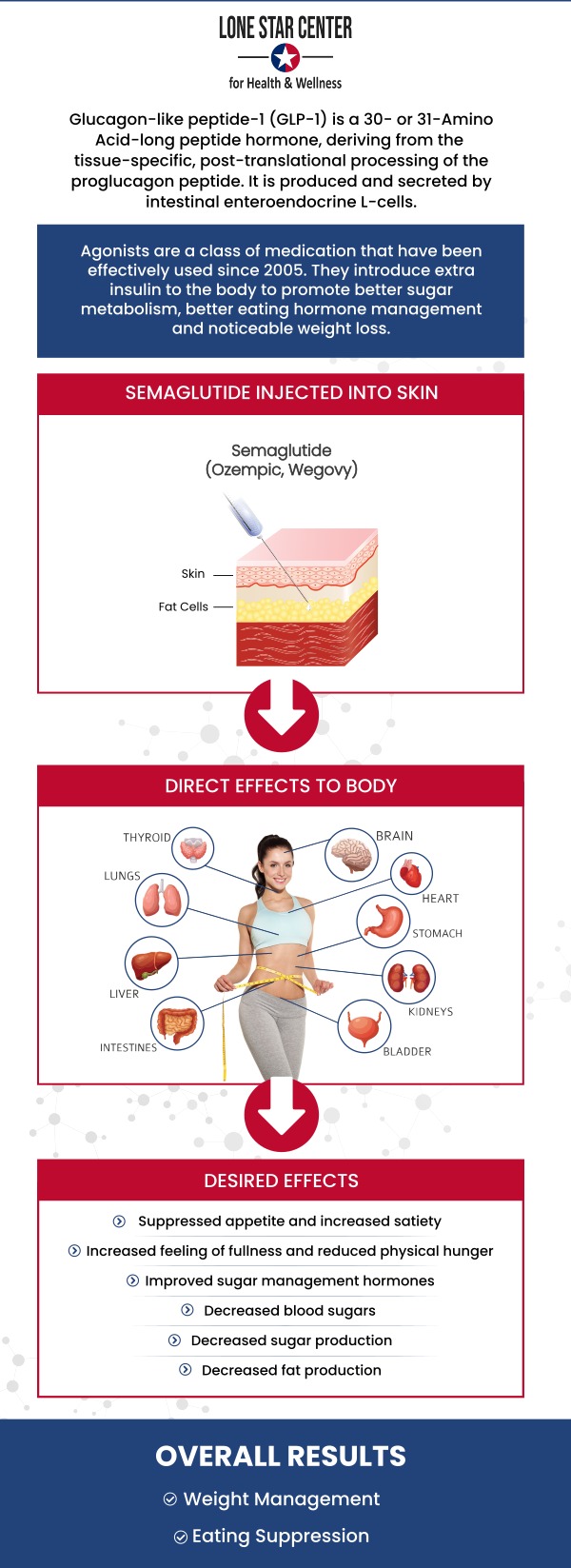
Table of Contents:
When do most people start feeling reduced hunger after starting semaglutide?
How quickly does semaglutide begin working in the body?
What factors affect how long it takes for appetite suppression with semaglutide?
Can lifestyle factors influence how quickly semaglutide suppresses appetite?
What can patients expect during the first few weeks of semaglutide treatment at Lone Star Centers?
At Lone Star Center for Health and Wellness, we help patients understand that hunger reduction with semaglutide doesn’t happen instantly, but many begin to notice changes sooner than they expect. Most people report feeling less hungry within the first one to two weeks after starting treatment. During this early phase, you may notice:
• Eating smaller portions naturally
• Fewer cravings between meals
• Feeling satisfied longer after eating
These initial shifts usually coincide with the medication building up in your system and the gradual activation of appetite‑regulating pathways in your brain. As doses are slowly increased under our guidance, hunger suppression typically becomes stronger and more noticeable. Many patients experience more significant changes between four and eight weeks into treatment as the dosage approaches its therapeutic target.
It’s important to remember that individual responses vary—some may feel changes earlier, while others may notice a gradual transition that becomes more evident over several weeks. Throughout this process, our team supports you with personalized coaching to help you recognize and respond to these appetite changes and adjust your health plan as needed.
At Lone Star Center for Health and Wellness, we explain that semaglutide begins affecting your body very soon after the first dose, though the effects build over time. Mechanistically, semaglutide mimics the natural GLP‑1 hormone, which means it starts interacting with hunger and blood sugar‑regulating systems quickly. Most patients begin to notice subtle changes in hunger and fullness within the first week or two of consistent use. These early effects include feeling full sooner and having reduced cravings for snacks or high‑calorie foods.
However, semaglutide’s full appetite‑suppressing impact generally develops more gradually. As the medication dose is increased over several weeks — under our team’s careful supervision — the appetite control becomes more consistent and pronounced. Typically, by four to eight weeks of therapy, many individuals feel a stronger and more predictable reduction in hunger. This timeline reflects the cumulative nature of semaglutide in your system and aligns with our clinic’s experience helping patients adjust their medication and lifestyle for optimal results.
At Lone Star Center for Health and Wellness, we emphasize that multiple factors influence how quickly semaglutide suppresses appetite, and every patient’s journey is unique. Here are key elements that affect the timeline:
• Starting dose and titration pace: We begin at a low dose and increase gradually to help minimize side effects, which also means hunger suppression often strengthens over time as the dose increases.
• Individual metabolism: Some people’s bodies respond faster to medication than others, which can affect how soon hunger cues change.
• Lifestyle habits: Eating nutrient-dense meals, staying hydrated, and being physically active can support the medication’s appetite‑regulating effects.
• Consistency: Taking the medication consistently on the prescribed schedule helps semaglutide reach stable levels in your system more quickly.
• Underlying health factors: Conditions like hormonal imbalances or metabolic issues can influence how your body responds to semaglutide.
Because of these variables, some patients notice reduced hunger in as little as one to two weeks, while others experience more gradual improvements over several weeks. Our team works closely with you to tailor dosing and lifestyle guidance so that appetite suppression aligns with your overall health goals.
Yes, Brenda Johnson at Lone Star Center for Health and Wellness stresses that lifestyle plays a critical role in how semaglutide affects your appetite and overall success. While the medication itself targets appetite‑regulating pathways in the brain and slows digestion, combining it with healthy lifestyle practices can enhance and sometimes accelerate the sensation of reduced hunger. Some key factors include:
• Balanced nutrition: Choosing whole foods, adequate protein, and fiber helps you feel fuller between meals and supports semaglutide’s appetite‑suppressing effects.
• Regular physical activity: Exercise improves metabolic function, which can help your body respond more effectively to medication.
• Hydration: Drinking enough water helps with digestion and may reduce the urge to eat when your body is thirsty rather than hungry.
• Sleep quality and stress management: Poor sleep and high stress can increase hunger hormones, potentially counteracting semaglutide’s benefits.
Although semaglutide begins influencing hunger signals within the first few weeks, integrating supportive lifestyle habits can make those effects more noticeable and sustainable. Our team designs personalized plans that combine medication, nutrition, movement, and behavior strategies so your appetite changes align with lasting health improvements.
During the first few weeks of semaglutide treatment at Lone Star Center for Health and Wellness, you can expect a supportive and structured experience tailored to your goals. Here’s what typically happens:
• Initial assessment and education: We explain how semaglutide works—including its appetite‑reducing and blood sugar effects — and set realistic expectations for change.
• Low starting dose: You begin with a lower dose to help your body adjust, which helps minimize common side effects like nausea.
• Gradual appetite changes: Many patients notice early signs of reduced hunger or cravings within the first one to two weeks, though these sensations usually become stronger as doses are increased.
• Monitoring and support: Our team checks in regularly to assess how you’re feeling, adjust dosing if needed, and answer questions about diet or side effects.
• Lifestyle coaching: We help you incorporate healthy habits that enhance semaglutide’s effects, such as balanced eating, hydration, movement, and stress management.
Overall, the first few weeks are about adjustment, education, and building momentum. You’ll feel supported as your body adapts, and we’ll celebrate small wins while refining your plan to ensure semaglutide contributes to sustainable appetite control and weight‑related health goals.
For more information, contact us or request an appointment online. We are conveniently located at 8233 Fredericksburg Rd, San Antonio, TX 78229. We serve patients from San Antonio, TX, Alamo Heights, TX, Balcones Heights, TX, Leon Valley, TX, Terrell Hills, TX, Windcrest, TX, and surrounding areas.
Check Out Our 5 Star Reviews







 Send Text
 How May I Help You?